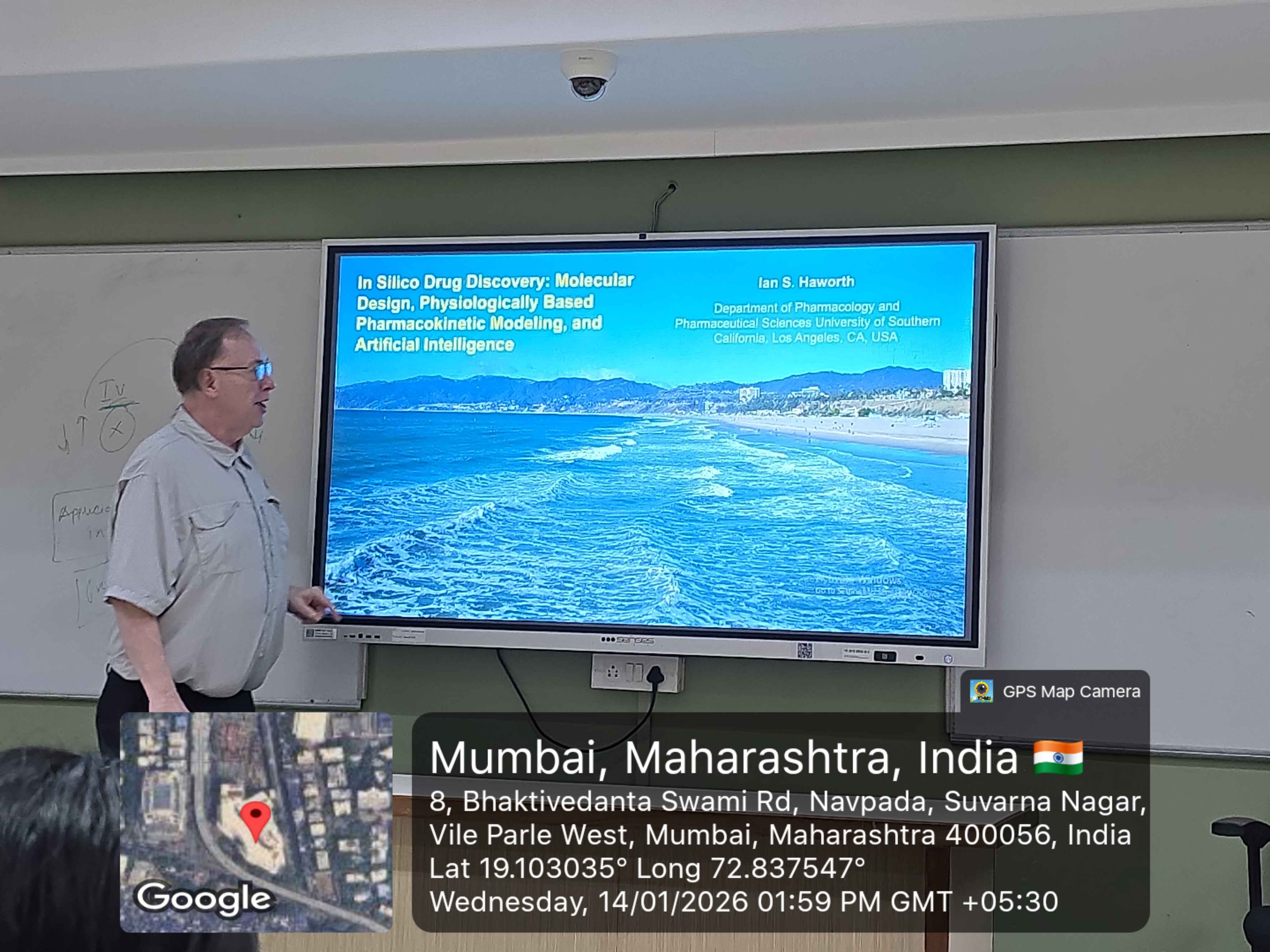
Topic : In Silico Drug Discovery: Molecular Design, Physiologically Based Pharmacokinetic Modelling and Artificial Intelligence
Speaker: Dr. Ian S. Haworth
Affiliation: Associate Professor and Vice Chair of Pharmacology and Pharmaceutical Sciences, Department of Pharmacology and Pharmaceutical Sciences, University of Southern California, USA
Time: 01:30 P.M. to 02:30 P.M.
Venue: Classroom 411, SPPSPTM, SVKM’s NMIMS
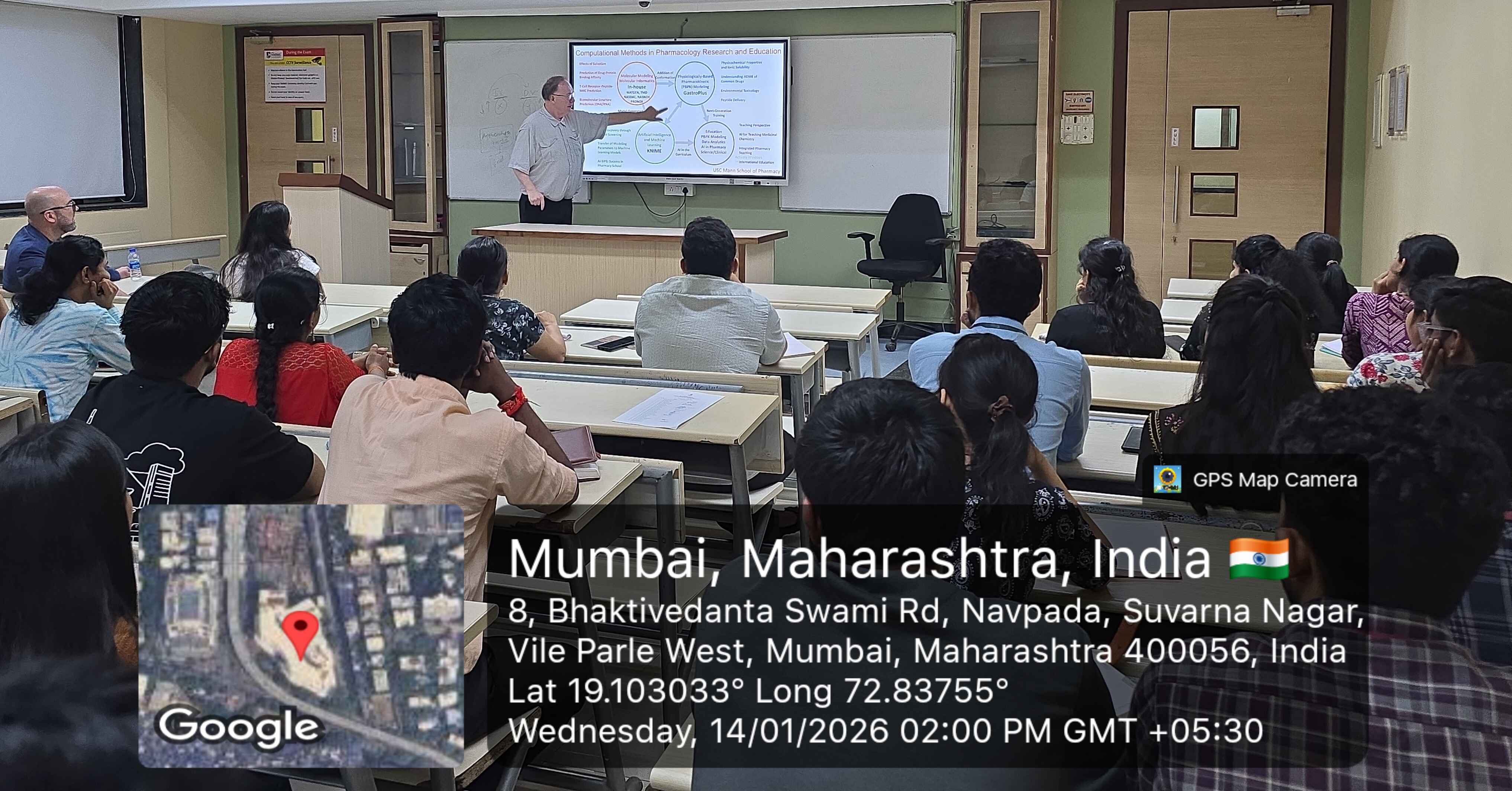
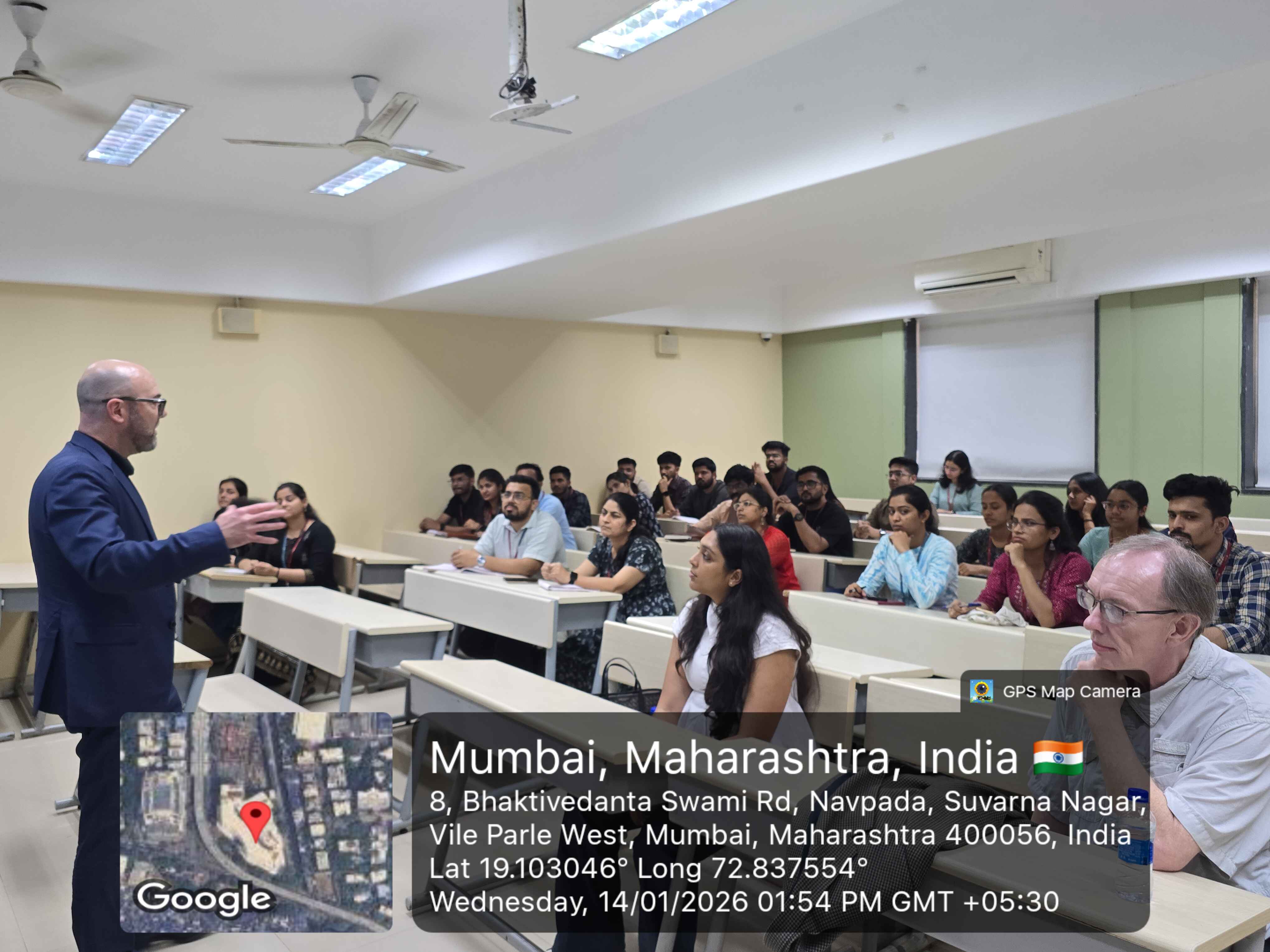
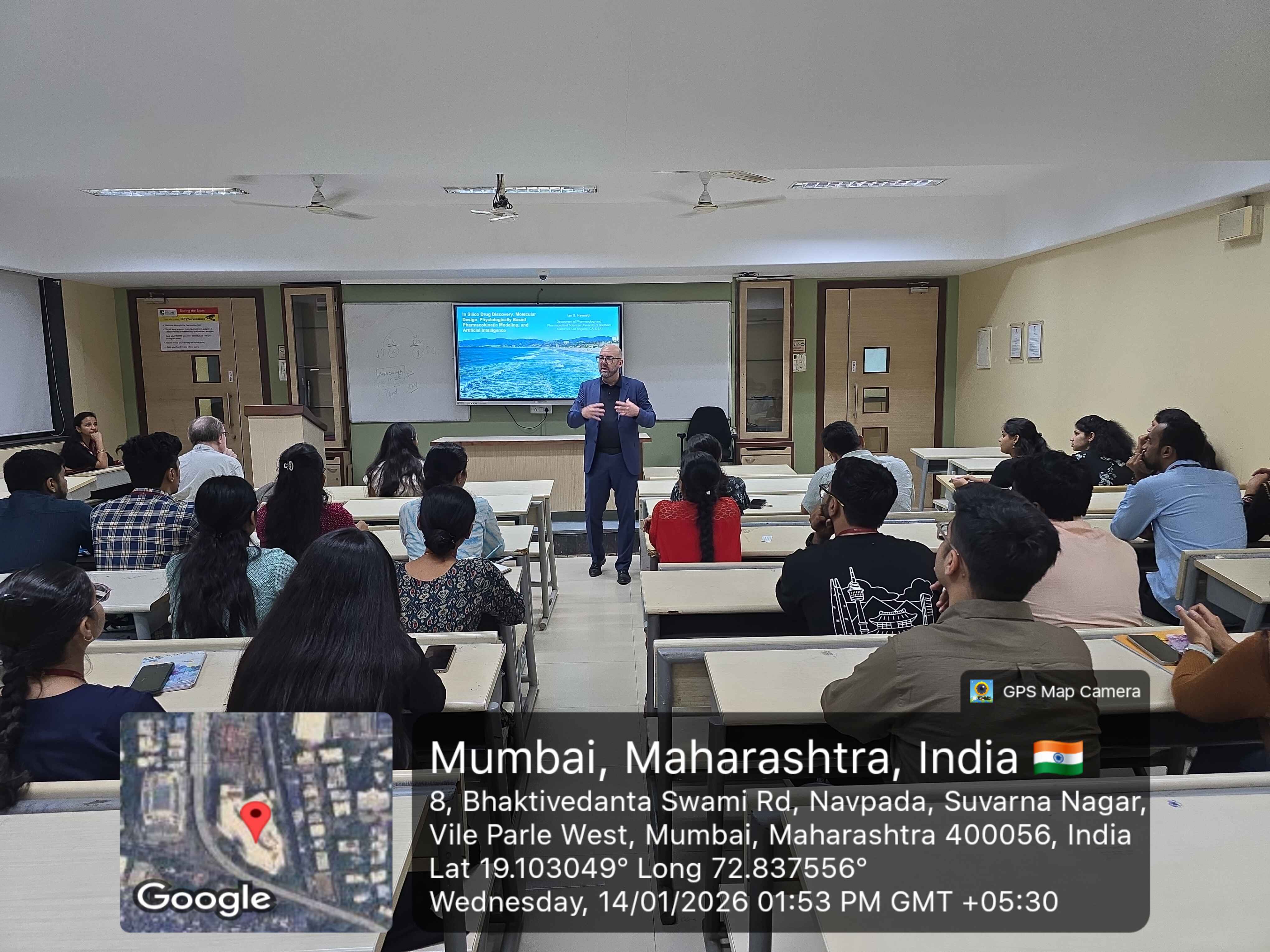
The guest lecture began with the introduction of Dr. Terrence Graham and Dr. Ian Haworth to the audience by Dr. Kalyani Barve (Associate Professor & HOD - Pharmacology Department, SPPSPTM). Dr. Terrence Graham introduced their school, the Alfred E. Mann School of Pharmacy and Pharmaceutical Sciences (University of Southern California), and briefly discussed the research activities carried out at USC Mann. Dr. Haworth then addressed the audience.
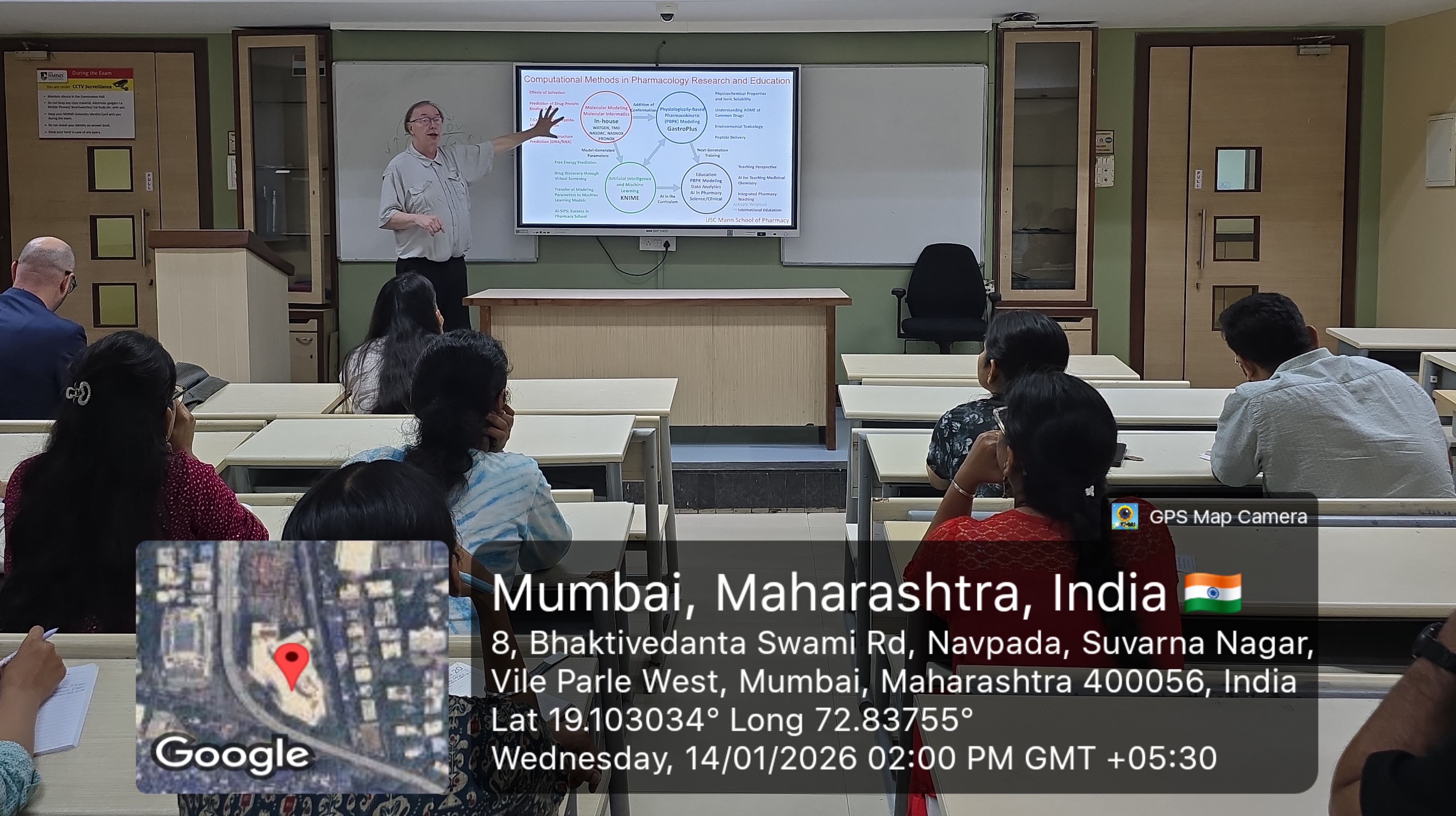
The lecture by Dr. Ian S. Haworth focused on the role of in silico approaches in current drug discovery processes. He discussed how in silico approaches are used in the design of molecules, solvation and free energy calculations, and protein-ligand binding studies. He also discussed how these approaches have reduced the need for trial-and-error in drug development.
The lecture covered the importance of integrating physiologically based pharmacokinetic (PBPK) modeling, particularly software such as GastroPlus, for predicting the ADME properties of drug candidates. By presenting case studies on caffeine and bioactive molecules such as Epigallocatechin gallate, Dr. Haworth illustrated how in silico screening, molecular docking, and PBPK models can be integrated to assess the ADME properties of drug candidates.
The lecture also emphasized the growing role of machine learning and workflow engines such as KNIME in connecting computational chemistry with pharmacokinetics and drug screening. Dr. Haworth emphasized that AI should be incorporated into pharmacy education as a supplement to the study of pharmacological principles, rather than presented as a purely computational discipline. The presentation gave a useful perspective on how in silico methods and AI are changing the landscape of drug discovery and pharmacy education.
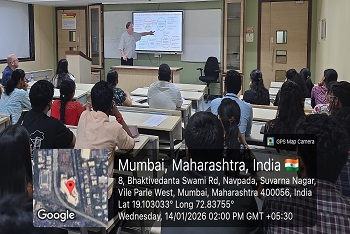
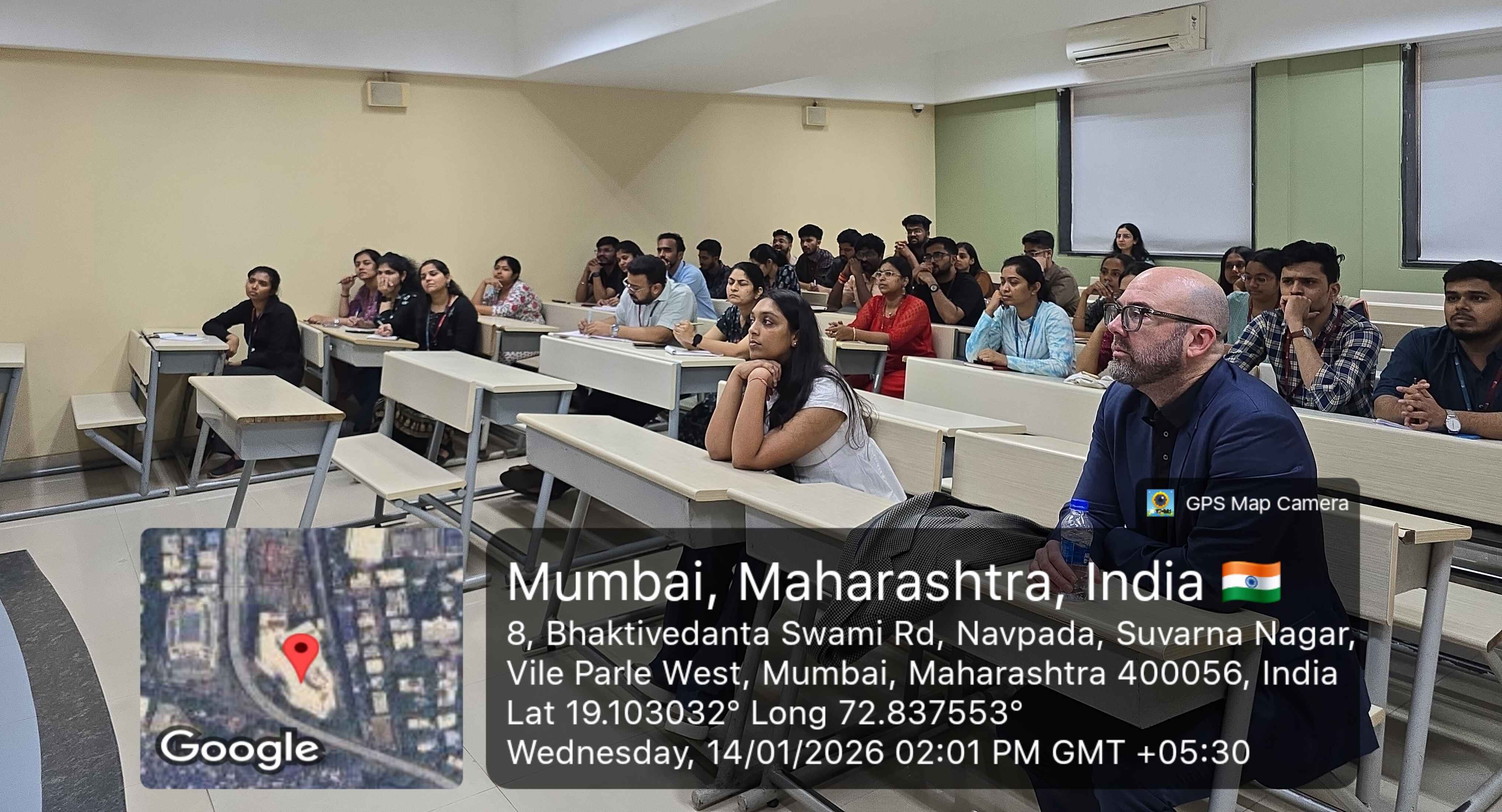
Glimpses of the Guest lecture:
Attendance Sheet